

About this program
Tuition: $600.
$200 Deposit option: Reserve your spot with a $200 deposit. The remaining balance is due before the class.
Location
Lincoln, NE (VSA)
Soundtopia/VSA Warehouse
1060 Saltillo Rd, Suite 100, Roca, NE 68430
Schedule
This is a two-day in-person intensive, June 14-15, 2027. Both days start at 9:00 am, with a morning break, lunch at 12:00 pm, and afternoon practice. End time is to be confirmed.
This intensive is for sound practitioners, and for yoga teachers who use sound in wellness and relaxation settings.
Approved for 13 CE Hours by Yoga Alliance.
DESCRIPTION
Trauma-Informed Sound Practitioner Training Intensive
A 2-Day In-Person Training Intensive
You know the sound bowls, gongs, tuning forks, and other sound instruments. This training explores what you need to know about how trauma can impact a person, how people may respond differently to sound, and how to create a trauma-informed experience that supports choice, safety, and connection.
No previous trauma training is required. This workshop provides sound practitioners with a welcoming space to learn, ask questions, practice new skills, and explore what it means to bring a trauma-informed lens to their work.
Sound can create space for relaxation, reflection, and connection. But every person who enters a sound session brings their own history, experiences, and ways of responding to the environment around them. What feels calming and supportive to one person may feel very different to someone else.
Becoming trauma-informed means learning to recognize those differences and creating sound sessions where people feel respected, have choices, and can participate in ways that work for them.
This 2-day intensive is designed specifically for sound practitioners who want to deepen their understanding of working with people who may have experienced trauma. Rather than adding a brief trauma-informed module to a broader sound training, this intensive takes a focused look at trauma, the brain, the nervous system, and the Window of Tolerance—and what these concepts can mean in a sound-based setting.
Building on your existing skills, this course equips you with the essential tools to navigate trauma responses, foster true client agency, and hold ethical, grounded space. You will explore how to use trauma-informed principles to help create a safer, more attuned sound experience.
You will have opportunities to develop greater awareness of your own responses and boundaries, clarify your professional role, understand scope of practice, and consider how to respond when unexpected reactions arise.
Accessible to everyone. Built for sound practitioners who want to approach this work with greater awareness, responsibility, and care.
Participants will leave with practical skills to:
- Develop a foundational understanding of trauma and recognize how trauma shows up in the body.
- Understand your own body's stress response and regulation - and how it can influence the session.
- Read non-verbal cues and room energy to spot overwhelm early and adjust your playing to support participant comfort.
- Use invitational language, clear consent, and upfront expectations to give clients total choice and control over their experience.
- Recognize signs of overwhelm and respond more confidently to unexpected client responses.
- Recognize individual, sensory, and personal differences.
- Understand boundaries and work within scope of practice, recognize when a referral or additional support may be appropriate.
- Integrate trauma-informed principles into sound sessions through hands-on practice, observation, and feedback.
Training Format: This trauma-informed training is currently offered as a live, two-day, in-person experience. The training balances essential foundational theory with personal reflection, interactive group activities, guided sensory practices, and hands-on experiential learning.
Prerequisite: No prior trauma training or specific certification is required. This training is open to sound practitioners of all experience levels who bring a willingness to learn, explore, and participate.
This is more than an introduction to trauma-informed practice—it is an invitation to develop your understanding of trauma and explore how awareness, choice, safety, and connection can shape the sound experiences you create.
Investment: $600 tuition, or a $200 deposit to reserve your spot. Space is limited to support an interactive environment.
Meet Your Trainers
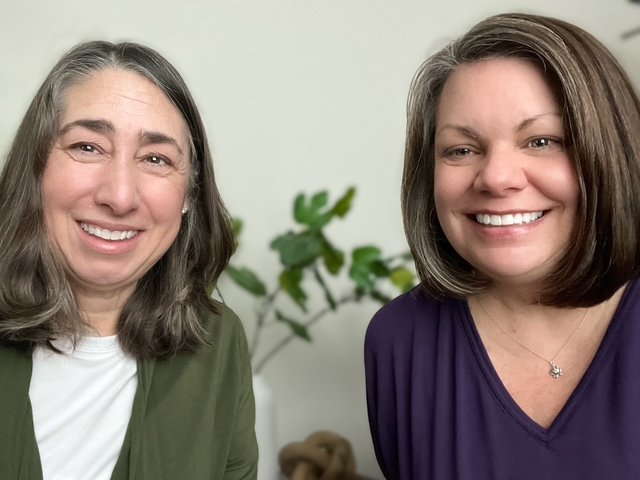
Julie Artinian Callaway and Shawn Archer
Where sound practice meets clinical trauma experience.
Julie and Shawn share a passion for helping professionals better understand the individuals they serve and assist them in developing practical, trauma-informed practices they can bring directly into their work.
Their training style blends hands-on activities, group discussion, reflection, and accessible educational material, creating sessions that are both informative and genuinely engaging. Because trauma is a heavy subject, Julie and Shawn are intentional about creating a welcoming, approachable, and even lighthearted learning environment — one that leaves room for curiosity, questions, and connection, without ever losing sight of the weight and importance of the material.
Shawn Archer is a Licensed Professional Counselor, Certified Yoga Therapist, Trauma Center Trauma-Sensitive Yoga (TCTSY) Facilitator, and Vibrational Sound Practitioner. She holds Master's in Counseling and Women's Studies from Eastern Michigan University. Her work has brought her alongside individuals navigating cancer treatment, substance use recovery, domestic and sexual violence, and other challenging life experiences. She brings experience, training, and passion together to create a unique approach to trauma-informed sound work.
Julie Artinian Callaway is a Licensed Professional Counselor, Licensed Master Social Worker, and Licensed Independent Social Worker and Vibrational Sound Practitioner with over 27 years of clinical experience in trauma, nervous system regulation, and mind-body healing. She is trained in EMDR and Somatic EMDR and holds Master’s in Social Work, College Student Personnel/Counseling, and Women’s Studies. Her work has brought her alongside individuals navigating trauma, grief, anxiety, and the impact of chronic stress on the body and mind. She brings clinical depth, embodied presence, and years of trauma-informed practice together to create a grounded, integrative approach to sound and somatic work.
Continuing Education
Designed to meet standards for Social Work Continuing Education (ASWB/ACE) hours. Official CE credit availability will be confirmed prior to the course date.
Approved for 13 CE Hours by Yoga Alliance.
OUTLINE
Day 1 — Foundation & Nervous System 9am
Understanding Trauma
- Welcome & Introductions
- Co-create Group Agreement
- Grounding Exercise / Journal
- Why a Trauma-Informed Lens?
- Trauma 101
- Invisible Suitcase Activity: The Impact of Trauma
Break 10:30am
- Trauma-Informed Principles
- Safety
- Choice
- Connection
- Nervous System & the Brain
- Window of Tolerance
- Fight
- Flight
- Freeze
- Fawn
Lunch 12pm
Why Self-Regulation Matters
- Interoception & Present-Moment Awareness
- Internal vs. External Body Sensing
- Hands-On Experiential Activity
- Internal Sensing / Interoception
- External Sensing / Environmental Awareness
- Journal / Reflection
Break
Recognizing Trauma Responses
- How Trauma Can Impact Safety, Choice & Connection
- Recognizing Trauma Responses
- Pause / Stop Activity
- Closing Day 1
- Grounding Exercise
- Day 1 Reflection/What Are You Taking With You?
Day 2 — Skills, Practice & Integration 9am
Client Interaction and Applying the Trauma-Informed Lens
- Grounding Exercise / Journal
- Review & Reflection from Day 1
- Trauma-Informed Principles in Practice
- What does Safety look like?
- What does Choice look like?
- What does Connection look like?
- Attachment Theory & Relationships
- Potato Accident: Dr. Ellie P. Tater Activity
Break 10:30am
Recognizing Dysregulation
- Orienting Techniques
- Pacing with Sound Bowls
- Silence
Inclusive & Responsive Practice
- Diversity, Individual and Community Differences
- Neurodiversity
Lunch 12pm
Scope of Practice
- Consent & Choice/Boundaries/Scope of Practice
- Recognizing When to Refer
- Community Support & Professional Relationships
Experiential & Hands-On Practice
- Practice Teaching in Pairs
- Using Invitational Language
- Offering Choice
- Supporting Autonomy
Break
- Reflection & Review
- Questions/Personal Takeaways